Decoding 'The Psychology of Money': A Non-Privileged Perspective

“We all want the complicated world we live in to make sense. So we tell ourselves stories to fill in the gaps of what are effectively blindspots.”


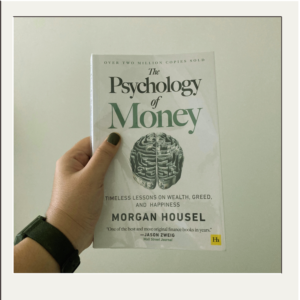
Those were the words I quoted from the book I just recently read. Psychology of Money by Morgan Housel. I’ve heard about the book since last year and saw a lot of people talking about it on TikTok and I’ve been wanting to have this book in my hand ever since. Just earlier this month, when I visited a bookstore to get me another book I wanted to have, I saw this one for the first time on the shelf since it’s always been on an “out of stock” label. 

Why did I desire this book so intensely? I think we all can agree that we do recognize the complexities of our relationships with money, and the prospect of a book offering guidance is an irresistible lure. So the thought that a book could maybe help you with it makes you want to have it as soon as possible. In my case, it’s the “psychology” word before the word of money itself that intrigued me. 
Why you might ask

When we talk about money most of the time we think of numbers and other numbers that give enough impact to make some particular number doesn’t work to solve another endless number. It is a rare behavior that we would give enough credit to any aspect that influences those numbers. And this book—with its title—was a promising handy guide to help us understand it all. At first, in my case.


Respecting The Author

As a writer myself, I would first pay my regards, respect and sincere thank you to Morgan for writing this book. The book that I would tell my students to read if I were a professor. The book that I would push the education department in the government to put as a mandatory handbook in every freshman class in college of every major in the country if maybe one day I have a place in that say.  Or dare I say, this should be taught in school early. Junior high, perhaps. The book I would tell everyone to read. No doubt.


But…

I know it would be rude for me to say it like any other reviewers wrote the title of their reviews, “I watched Old so you don’t have to”, or “I have dinner at this restaurant so you don’t have to”, or specifically, there is this article that wrote “I read The Psychology of Money so you don’t have to”. But that’s what I’m trying to do in this probably might be my longest post in this blog. I read this book and here I am talking about it so you don’t have to. 

On the very cover of my copy, it’s written “over two million copies sold”. Well, that’s a fact. But I’m not sure if everyone was having the same thought as mine when they decided to buy a copy. But at least now, 2 million more people understand more about “The Psychology of Investing”. 


What???

Yes. There you go, I’ve said it; The Psychology of Investing. 

I was super excited and maybe expecting a little too much from the book when on the opening Morgan tells a story of two different people with different backgrounds and how they spent their money. It ended up obviously different between both dudes. But what got me hooked here is my expectation paid on the first few pages because this is what I’m looking for; the experience, background,  and the difference it made when it comes to money tales. On the page 5, he wrote;

Finance is overwhelmingly taught as math-based field, where you put data into a formula and the formula tells you what to do, and it’s assumed that you’ll just do it.

…

It’s not that any of these things are bad or wrong. It’s that knowing what to do tells you nothing about what happens in your head when you try to do it.

Now, tell me if that’s not a promising line to read?


Now the review

Simply put, I would say that the title of the book is too broad for the content it handles. Maybe “The Psychology of Money for People Without Poverty Trauma and People With Enough Privilege to Tackle The Investing World” would be a perfect title.

I said what I said. And just like what I said in the early part of this article, everybody should read this book. It’s a good one. But it would be a perfect one if the author of this book put this two missing link from the equation that’s written on the title of the book; Generational Poverty—that in my experience always inherit another level of trauma— and Circumstances.

I once saw this sentence somewhere; Good driver might get into an accident because of another stupid driver's recklessness. The same works about money. When I read this, I went into silent mode for quite long minutes thinking that this is a perfect way to explain everything about money. This thought process is something that I secretly expect coming when I read this book. I genuinely thought there would be a chapter or a paragraph even to specifically talk about this ‘accident’.

It did, finally when I got to the latter part of the book. But it was explained as “uncertainty’ and the writer applied the case a little too much about investing. And when he did write about “room for error”, it sounds like he was referring to it as “huge pile of hard cold cash stacked in the cabinet” because all the examples and the logic provided, again, are not non-privileged friendly. 

He also talks about how reality changes and all we need to do is accept it. I thought to myself, oh I have this new ability lately, to accept things as it is because it is what it is. I kept saying “Oh I’m on the right track”, in every paragraph because of how much I believed in this book. When Morgan talks about pessimism in chapter 17, I feel proud of myself because just a couple weeks back my therapist told me my pessimist side is my self-defense mechanism, so I have the very tools I need to have a better relationship with money. But sadly the author keeps talking about all aspects in the favor of investing. 


This is where I got disconnected

I came from a small family in the small village of West Sumatra Indonesia with a long track of roller coaster ride in financial situations. My father was a cop with low wages that to get all his 4 kids to school, he never kept his official letter of his employment in hand—here in Indonesia, all governmental employees can use that letter as collateral for a long term loan—because all his life, my father support our family with the help of that loan. Would my father ever consider investing in that typical lower-middle class  Indonesian life? We would all be lucky enough if our parents could save.

But when I am an adult myself earning my own paycheck every month and letting a friend introduce myself to investing, I did try to invest with diverse stocks in my portfolio. Spoiler; it ended up empty because here and there back then I needed to sell all the stocks because I was in urgent need of cash to pay for my sister’s college tuition. Did I regret it since all the stocks I had would’ve grown bigger by now if I hadn’t sold it? No. I’d rather have no investment than having monthly debt to pay. 

I wouldn’t lie, a lot of words and phrases, facts and all the stories told in the book are really good examples and explanations of how the world works and how it impacted our money situation. But it wouldn’t hurt if the book consisted more of applicable and relevant topics for people who don’t even understand what investing is. While I do have a soft spot for numbers, especially when it comes to finances, I admit I felt overwhelmed by the book's mathematical and percentage-heavy content. Because again, I was expecting a little too much of the ‘psychology’ work from the book not knowing that later on I would be confused by the investing terms and all the stocks' names from the US. It is good that a lot of facts are now in my possession. But I just don’t know if those facts can now be used in my life. 


I did SAVE

Everyone needs the basics. Once they’re covered there’s another level of comfortable basics, and past that there’s basics that are both comfortable, entertaining, and enlightening.

…

When you define savings as the gap between your ego and your income you realize why many people with decent incomes save so little.

…

Savings can be created by spending less. You can spend less if you desire less. And you will desire less if you care less what others think of you.

Those two sentences sound perfectly wise at first glance. But when your upbringing gave you some poverty trauma and most of the time circumstances are not so nice to you, you questioned the sentences because in my mind it sounds irrelevant and a little exclusionary. First, not everyone that’s not saving is spending all their money for flexing because they care too much about what other people think. Secondly, not everyone is privileged enough to have all their earnings for themselves. And the third one, a lot, I mean it, really, a lot of people from developing countries—if not everywhere around the globe—would be lucky if their earnings  are enough for their monthly expenses (and that for the basic needs only). So the case is, it’s not that people don’t want to  save their money or that they recklessly spend more than they have to because they just want to impress others, it’s what happens when you live in a world where the rich get richer and the poor are buried deeper in poverty.


The real take

After all, as Morgan explained multiple times in the book, people have different histories, experiences, and different games. Morgan wrote the book based on his own histories, background and experiences. But as a reader that got hooked to the book because of the title, it’s not my fault that I was expecting it to be more relevant to my (and most other peoples’) life. It’s also not my fault if I want it to be more relatable to my “spreadsheet”. 

Despite my perception that the book caters more to 'The Psychology of Money for Those Without Generational Poverty and Its Associated Traumas,' I maintain my admiration for this book. I would give an easy 4 stars out 5. And I will read it back and use it as my very handbook when I have my money situation sorted and able to invest in the near future. For now, it earns a place on my bookshelf, and I’ll eagerly recommend it to friends. After all, expanding our knowledge never hurts. I’m glad that from the theme range of my bookshelf, I finally have one collection that talks about finance and it’s the very “The Psychology of Money” that I had always wanted and now it’s there.

But in our journey through the enigmatic realms of finance and psychology, let's contemplate this: Can true wealth be measured in more than dollars and cents? What if it's about the profound impact we have on the world and the lives we touch?


Unleashing the Empowered Barbie: A Cinematic Revelation 

Hey, queens! Have you ever stumbled upon a movie that ignites your soul and leaves you in awe? Well, brace yourselves because Greta Gerwig's Barbie just set the feminist world on fire! I'm spilling all the tea on how this film is not just a movie; it's a movement that'll rock your world.


The Anticipation: Greta Gerwig's Empowering Direction

It all started with whispers and anticipation, and I couldn't help but feel the buzz around Greta's direction. But let me tell you, the struggle of resisting those internet memes and spoilers was REAL! This time, Barbie's premise was known, but the chatter on the web was something else entirely.

So, with my partner in crime, I embarked on a late-night adventure to catch this iconic flick. Picture this: popcorn in hand, pulpy orange sip at the ready, and chicken balls on the armrest – our vibe was unstoppable! Little did we know, we were about to witness a mesmerizing 1 hour 54 minutes of pure brilliance.

Now, let's talk about the aftermath!

It was barely 10 minutes after we left the theater that reality hit us like a ton of bricks. But first, let's break it down like true millennials.

Pre-Barbie, we already expected some folks to lose their cool (looking at you, Ben Shapiro and Ted Cruz). But who cares about their tantrums? Greta Gerwig's feminist vision for Barbie is just what we needed in a world craving empowerment!

"Barbie is everything, Barbie is all of these women." That powerful prologue set the tone, and it spoke to our souls like no other. This movie wasn't just about fairytales; it was about shattering glass ceilings and showing girls they can be ANYTHING they dream of. Now that's empowerment!

Beyond Fairytales: Barbie as Real Life

But hold up! Critics called it "too heavy," and we're here to say, "nah, girl!" Barbie felt like real life; it captured the complexities, emotions, and relatable journeys we experience daily. The Barbies and Kens portrayed real people navigating life, and it felt like a breath of fresh air.

The Power-Packed Message: Strength, Resilience, and Unity

Ladies, take note! We need to stop swooning over crying-Ken moments and focus on the bigger picture. It's not just about tears and heartache; it's about the strength, resilience, and unity showcased in Barbie. We're talking empowerment on a whole new level!

But you know what really ticked me off? Some people just didn't get it! I mean, watching guys squirm during the movie was plain annoying. Sorry, but if you're uncomfortable with this power-packed movie, that's on you, dude!

Emotional Rollercoaster: Crying Like a River

And here's the thing - Barbie touched me in ways I never saw coming. I thought I'd shed a tear or two, but girl, I cried like a river! It was a beautiful mess of emotions, leaving me feeling strong, proud, and ready to take on the world. But oh, the world had other plans. Now, imagine this: we left the theater with our hearts full and minds racing, only to be rudely jolted back to reality by two dudes with a serious lack of manners. Ugh, the nerve! 

Reality Check: Uninvited Guests and Empowerment Unshaken

Just when I was basking in the post-movie glow, reality hit me like a punch in the gut. Two rude dudes, with McDonalds uniform, invaded my elevator space and pulled the classic eye-roll-worthy move - staring at my chest! Ugh, the audacity! I wished I could've given them a piece of my mind (in the form of a fist fight LOL), but alas, for the sake of our safety because it was late and the world outside was almost empty. But we won't let them rain on our Barbie parade, ladies!

Rocking the World, One Empowered Step at a Time

Greta Gerwig's masterpiece inspired us to rise above these hardships and create a future where women roam this world with confidence and safety. We're not backing down, and no damaged-shit-head will dim our shine!

So, let's embrace life's beautiful chaos and grow stronger together. Barbie showed us that we're fierce, proud, and ready to take on the world. Keep your head high, queens, and remember: we're unstoppable forces of nature! 

Who's with me on this epic Barbie journey? Let's rock the world, one empowered step at a time! #BarbieRevolution #QueensUnite

OITNB (2013); Sekolah Humanity Dari Warga Litchfield Correctional Facility

Terjebak dalam rutinitas baru kerap membuat saya keteteran agar tetap memiliki waktu yang cukup untuk menulis. Maka semakin waktu luang saya menyempit, semakin ritual ngoceh lewat susunan abjad itu terlewatkan. Sementara ada banyak jenis risau yang perlu untuk diabadikan. Termasuk jenis risau dan gelisah yang datang setiap kali saya baru saja selesai menamatkan lusinan episode dari series-series dengan jalan cerita yang ‘kaya’.

Belum lama ini, akhirnya saya selesai menyimak cerita perempuan-perempuan warga Litchfield Correctional Facility di serial Orange Is The New Black (OITNB). Sedikit terlambat untuk tenggelam dalam drama para tahanan perempuan ini karena OITNB menayangkan episode terakhir dari final season-nya Juli 2019 lalu dengan episode perdana tayang di pertengahan 2013.

source: Netflix courtesy


#OrangeForever

Tidak ada penjelasan lain tentang OITNB selain betapa kayanya series besutan Netflix ini dengan moral lesson dan value yang ‘berisi’. Pertanyaan yang sedikit mengganggu kemudian muncul mengikuti kekaguman saya pada OITNB; Kenapa orang-orang tega underestimate series apik ini dengan melabelinya sebagai ‘film lesbi’? I mean c’mon people, sedangkal itukah cara orang-orang mengkonsumsi sebuah karya?

Well, berhubung cerita dalam OITNB adalah cerita yang berlatar di rumah tahanan perempuan–yang di real world pun tentu saja mengandung same-sex tale–maka jangan heran ketika beberapa kisah cinta atau adegan-adegan sensual sesama perempuan bermunculan. But that’s not the point. Intinya, ada banyak hal yang bisa dibicarakan ketika membahas OITNB ketimbang hanya mengedepankan persoalan orientasi seksual di dalam ceritanya.


Represents Humanity Issue

OITNB adalah sebuah karya yang so much deeper than just lesbian stories capitalized by entertaiment industries karena OITNB menggambarkan humanity issue dengan pengemasan  story telling yang relateble to us as a human being. Mungkin karena OITNB diangkat dari kisah nyata hingga isu yang diangkat dalam kisahnya terasa dekat karena dimanapun sudutnya, kita semua kerap melihat persolan yang sama. Bahkan jikapun OITNB hanya kisah fiksi yang sama sekali tidak pernah terjadi, kisah di dalamnya tetap akan terasa relatable dan mengusik rasa kemanusiaan karena benar, dunia kita se-kacau itu.

OITNB menggambarkan dengan tepat bagaimana sistem yang corrupt, birokrasi yang bobrok, alokasi dana yang dimainkan, ketamakan, dan another bad side of human being memberi dampak pada segala lapisan. Saya bahkan nyaris menyerah untuk mengikuti perjuangan Taystee dan teman-temannya karena tidak lagi kuat menahan kesal dengan pertanyaan yang selalu sama; kenapa manusia bisa berbuat sekejam itu? Kenapa orang-orang bisa berbuat setega itu? Saya benar-benar hampir berhenti mengikuti kisah Piper dan Alex atau Red dan Gloria karena semakin saya tenggelam dalam drama di OITNB, semakin saya menyadari bahwa manusia memang benar bisa semenyeramkan itu.


Need a lecture?

Yang selalu jadi kebahagiaan tersendiri dari menikmati karya bagi saya adalah memetik banyak value yang dikemas rapi oleh creator-nya. Dalam OITNB ada banyak dialog yang membuat kita tersentak menyadari berbagai jenis rasa. Mulai dari motherhood, persahabatan hingga tentang keluarga. But above all that, OITNB mengajarkan kita untuk berhenti menghakimi sesama manusia, untuk berhenti bertindak sesukanya hanya karena ada label dan pemisah yang seharusnya tidak ada. OITNB memperlihatkan bahwa hanya karena seseorang melakukan sesuatu yang buruk, bukan berarti mereka adalah orang yang buruk. People do bad things, we all did. Dan semua, ada alasannya.


Masih belum tertarik nonton?

Percayalah, dulu-dulu saya juga tidak tertarik untuk ngikutin OITNB karena beranggapan bahwa cerita dengan latar belakang kehidupan perempuan-perempuan kriminal di tahanan hanya akan penuh dengan drama klasik dan konflik yang tidak menarik. Tapi begitu episode pertama dimulai dan Red muncul dengan rambut merahnya sebagai koki Rusia yang disegani para tahanan, OITNB menjelma menjadi serial favorit saya (setelah Game of Thrones, tentunya).

Seperti tokoh-tokoh dalam Game of Thrones, OITNB juga punya pengembangan karakter yang sempurna. Tidak ada karakter yang tidak likeable. Character arc masing-masing tokoh membuat mereka yang tadinya dibenci menjadi junjungan hingga cerita usai di season terakhir. And that, my friend, adalah proses yang benar-benar kita lalui sebagai individu yang berkembang di kehidupan dunia nyata.

Maka bagi saya OITNB adalah bentuk sekolah yang mengajarkan banyak hal dalam setiap cerita di 91 episodenya. OITNB adalah miniatur sempurna dari penggambaran kehidupan seorang perempuan yang penuh dengan kisah perjuangan, naik-turun bertahan hidup, susah payah menjaga keutuhan keluarga, dan kasih sayang sesama manusia. OITNB bukan hanya sekedar serial yang saya tonton ketika karantina. Lebih dari itu, OITNB adalah sebuah karya yang pantas untuk dibicarakan lebih dari hanya sekedar menjadikannya sebagai indikator gay atau tidaknya seseorang.

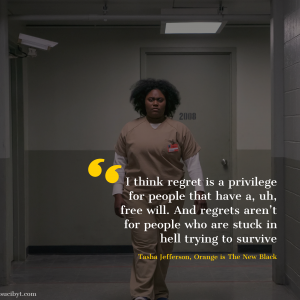
PS: Here are some of my favorite quotes from Orange is The New Black

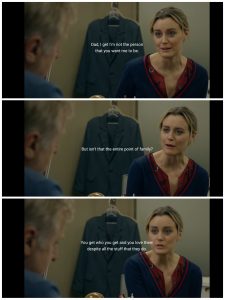
"Dad, I get I'm not the person that you want me to be. But isn't that the entire point of family? You get who you get and you love them despite all the stuff that they do"  - Piper Chapman, OITNB


"Do you know the difference between pain and suffering? Yeah, well, you should hear it. Pain is always there because life is freaking painful, okay? But suffering is a choice", - Tiffany Doggett, OITNB


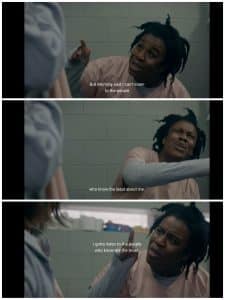
"But Mommy said I can't listen to the people who know the least about me. I gotta listen to the people who know me the most" - Suzanne, OITNB-


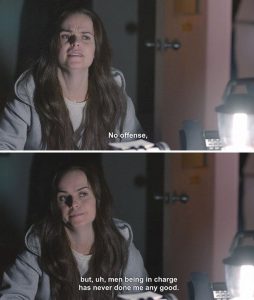
"No offense, but, uh, men being in charge has never done me any good." - Tiffany Doggett

Submergence Movie (2017); Katanya Love Has No Limits

Tentang Submergence

Diangkat dari sebuah novel yang ditulis oleh J.M. Ledgard, Submergence bercerita tentang kisah cinta antara seorang ahli matematika yang mengkaji kehidupan di kedalaman tergelap samudera dengan seorang mata-mata yang akan menjalani misi berbahaya di Somalia.

Keduanya jatuh cinta dalam waktu singkat, bertukar kasih sayang, hasrat dan dialog tentang kehidupan dalam waktu yang singkat juga. Bertemu di sebuah hotel, Dani sang profesor (Alicia Vikander) dan James (McAvoy) seolah jatuh cinta pada pandangan pertama.

Mengawali kisah mereka dengan makan siang yang berisi percakapan tentang laut, James dan Dani saling tenggelam dalam kepribadian masing-masing dan menjadi begitu dekat dalam waktu beberapa hari. Bertukar hasrat dan pendapat hingga akhirnya James harus pergi untuk melaksanakan tugasnya, begitupun Dani.

Dari awal hingga akhir film berdurasi 172 menit ini, cerita disampaikan dengan pelan. Tidak ada klimaks yang membuat tegang namun cukup menghanyutkan. Menunggu apa yang akan terjadi di menit berikutnya dengan santai sambil menikmati kisah cinta si profesor dengan James More.

Dialog dalam film ini berhasil membuat saya berpikir dan bertanya beberapa hal tentang kehidupan. Tidak berat namun cukup “berisi” untuk sebuah film drama yang mengikut sertakan pembahasan mengenai terorisme, Islam, dan kemanusiaan. Submergence seolah merampungkan berbagai genre menjadi satu film. Drama kisah cinta untuk hubungan dua orang dengan pekerjaan berbahaya. Spy thriller untuk sensasi suram ketika James ditawan jihadis. Underwater adventure untuk pekerjaan Dani di bawah laut, terosisme, bahkan perubahan suhu.

Untuk sebuah kisah cinta, Submergence berhasil membuatnya “terasa” melihat bagaimana Dani yang terlalu sibuk dengan pekerjaannya hanyut oleh daya tarik James. Bahkan nyaris di sepanjang film berlangsung, Dani yang memiliki peran penting dalam penyelaman berbahaya tersebut justru lebih fokus menunggu panggilan atau text dari Jamesnya yang hilang.

Benarkah Love Has No Limits?

Jika dilihat dari kisah cinta Dani dan James dalam film ini, tentu tag line mereka itu tidak terasa. Sama sekali tidak ada adegan atau dialog yang menggambarkan “love has no limits” itu. Dani yang rindu dengan kekasihnya hanya kehilangan fokus pada pekerjaan karena menunggu kontak dari James. Sementara James yang ditawan hanya bisa berbicara sendiri tentang Dani namun tidak ada "power" yang terasa untuk menggambarkan tagline film ini.

Lalu ending seperti apa yang sanggup menggambarkan “love has no limits itu”?  Entahlah. Mungkin jika di dasar laut sana Dani mendengar suara James lalu tiba-tiba kapal selamnya muncul di perairan Somalia atau jika James yan sedang ditawan itu berani melakukan perlawanan lalu kabur dengan kapal milik jihadis untuk menunggu Dani kembali kepermukaan di titik selamnya. Kisah cinta Dani dan James cukup manis namun tidak cukup kuat untuk dirasakan oleh penonton yang mengharapkan lebih dengan tagline “Love Has No Limits” mereka.

Recomended Atau Tidak?

Untuk dinikmati malam hari sambil menunggu kantuk, film ini recomended untuk dinikmati sendiri atau bersama pasangan, teman-teman. Saya sendiri tidak pernah melewatkan film-film yang melibatkan McAvoy karena yakin dengan kualitas actingnya.

Meskipun story Submergence dan karakter tokoh utama yang kurang kuat, McAvoy tidak pernah gagal memainkan perannya sebagai karakter spesifik dengan ciri khas tersendiri. Begitu juga dengan Alicia Vikander yang berhasil membangun chemistry dengan McAvoy untuk kisah cinta singkat mereka.

Adegan ranjang yang sedikit namun intens dan emosional akan membuat penonton menikmati sensasi jatuh cinta yang disampaikan kedua tokoh utama ini. Belum lagi air mata berlinang-linang McAvoy dalam beberapa scene yang memperlihatkan karakter mata-mata yang sedang diperankannya adalah sosok emosional dengan perasaan sensitif.

Secara kisah mungkin akan dianggap kosong oleh sebagian besar penonton. Alur yang datar seolah “memubazirkan aktor sekelas McAvoy” dalam film ini. Terlebih dengan ending yang agak membingungkan (meskipun hanya ada dua kemungkinan); mereka bertemu lagi atau Mr. More tewas di tempat ia ditawan.

Namun secara eksekusi, sinematografi, dan casting, dua jempol untuk Submergence ini. Saya menikmati menyimak cerita dari awal hingga selesai walaupun sedikit kecewa karena tidak sesuai ekspektasi saya sewaktu melihat trailer.